1
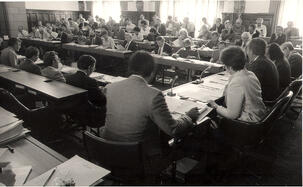
First off today, Paul Jump at the Times Higher Education reports that, in the UK, the High Court has ruled that, while the courts or the Office of the Independent Adjudicator (OIA) do have the ability to overturn rulings on plagiarism, they can only do so in rare cases that do not involve or require academic judgment. The judge was looking at the OIA’s refusal to overturn a plagiarism-related ruling originally by Queen Mary, University of London against a former student Hazim Mustafa. Mustafa was attending the school during the 2007-2008 school year and attempting to obtain a master’s degree in project management. However, Mustafa was forced to drop out due in part to the plagiarism allegations. Mustafa petitioned the OIA and the courts to protest both the plagiarism verdict and other treatment he claims to have received from the University. According to Mustafa, while he did copy heavily in the essay in question, square-brackets were enough to show that he did not intend to plagiarize. The University disagreed saying that it was almost impossible to tell what was original text and what was copied in the essay. Both the OIA and the High Court ruled that they had no standing in the case as the matter required “knowledge of academic conventions” and neither the court nor the OIA were in a position to overturn the ruling. This prompted The High Court to dismiss Mustafa’s appeal but did note that this was not a finding of “moral turpitude” against Mustafa as the school did not investigate whether he had intentionally misled anyone.




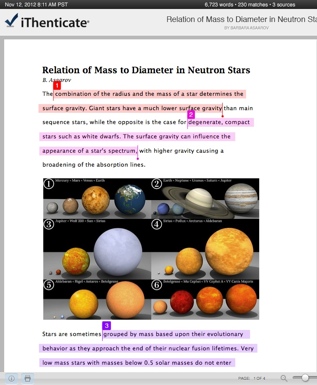








 In 2013, plagiarism might, reasonably, seem to be an act of self-destruction. In an era where words can trivially be tracked and searched for, committing an act of plagiarism could easily be mistaken for an act of career suicide rather than a means to improve one’s reputation.